
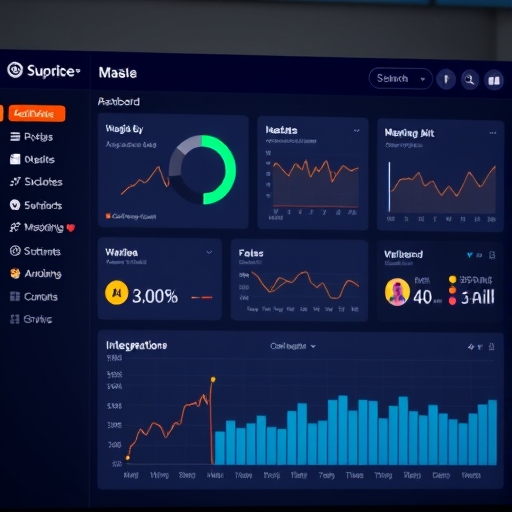
Automation tools are software or systems designed to perform repetitive tasks with minimal human intervention, increasing accuracy and efficiency. These tools can manage data entry, scheduling, reporting, communication, and other routine processes across departments. Common examples include workflow automation platforms, robotic process automation (RPA), and integrated business applications. Automation reduces manual errors, frees up employee time for higher-value work, and improves response times. It is scalable and can be customized to fit specific organizational needs. Implementation typically involves identifying suitable processes, selecting appropriate tools, and providing training for users. When used ethically and thoughtfully, automation enhances productivity without replacing human judgment. It supports innovation by allowing teams to focus on creativity, problem-solving, and customer engagement. Adoption of automation tools reflects a commitment to modern, efficient, and future-ready operations.